Editor’s Note: This post contains affiliate links. As an Amazon Associate, The Curated Edit earns from qualifying purchases. All curated picks are independently selected by our editorial team.
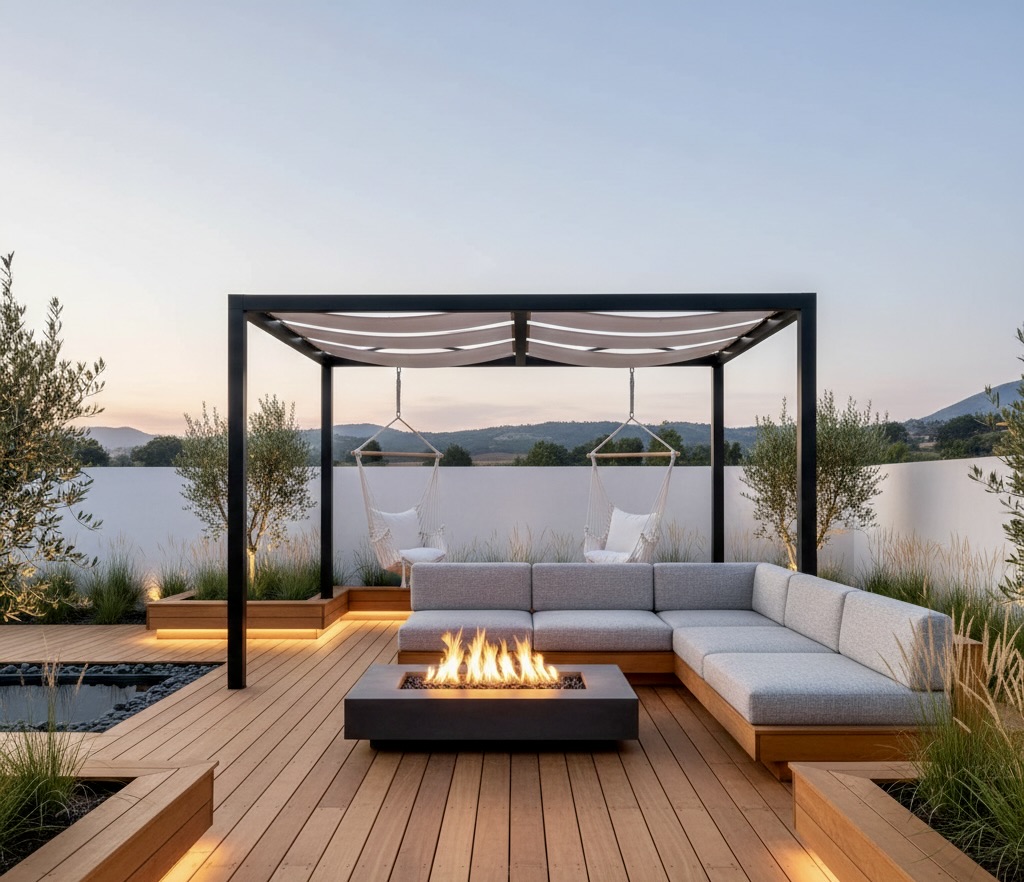
As the seasons shift, the collective focus turns toward the promise of warmer days—specifically, the vision of a slow Sunday morning that feels less like a suburban backyard and more like a private cabana at a five-star hotel.

While we can’t all book a permanent stay in the Amalfi Coast, the “Resort-Style” aesthetic is officially dominating outdoor design. This shift represents a departure from the “fast fashion” approach to patio decor. Gone are the days of mismatched folding chairs and chaotic, bright plastics that degrade after one season.
The new outdoor standard is defined by escapism and intentionality: sculptural shapes, organic textures (teak, rattan, travertine), and a layout that invites lingering.
It’s about creating a space that feels like a destination—an extension of your interior living room that just happens to be outside.
However, obtaining this look often feels out of reach. The “Restoration Hardware look” commands a four-figure price tag per chair.
The reality? A curated, high-end aesthetic does not require a luxury budget. It requires knowing what to look for—and more importantly, when to buy it. Retail data suggests pre-season inventory offers the best selection before the rush depletes stock of the most coveted items.
Here is the edit for creating a sanctuary-style patio using attainable finds that look custom-sourced.
Shop the transformation, and create your own Resort-Style Outdoor Oasis
1. Create a “Living Room” Layout
A common design oversight is treating outdoor furniture as separate entities rather than a cohesive “room.” To achieve a high-end look, the strategy must shift from buying generic “patio sets” to curating “conversation areas.”
Instead of standard boxy armchairs, prioritization should be placed on curves. Rounded backs and rope detailing are dominant trends this year, softening the hard architectural lines of a deck or concrete patio.


The Splurge Aesthetic

The Curated Save

Designer Note on Scale
Before purchasing a conversation set, measure your “footprint.” A common mistake is buying furniture that is too large for the deck, making it feel cramped. Aim for at least 30 inches of walking space around your main seating area to maintain that airy, resort-like flow.
2. Anchor the Space with Stone Textures
“Quiet Luxury” is often mischaracterized as simply “beige.” In reality, it is the layering of textures that entertains the eye without overwhelming the senses.
Heavy, stone-look tables serve as the anchor for the 2026 patio. While real limestone or concrete presents shipping and cost challenges, composite technology has improved drastically. The market is seeing incredible “faux-crete” (faux concrete) tables that mimic the chalky, matte white texture of a Mediterranean villa or a high-end spa.


Why it works
A stone-look table provides a necessary contrast to warm wood chairs. This interplay of cool (stone) and warm (wood/rattan) tones is the secret sauce of professional interior design.
The Buy
Look for “glass fiber reinforced concrete” (GFRC) or heavy-duty resin composites. These materials are wipe-clean and possess enough weight to withstand spring storms without the impossible logistics of real stone.
3. Upgrade the Umbrella (The “Slim Aarons” Effect)
If a single element can alter the entire atmosphere of an outdoor space, it is the umbrella. The standard beige market umbrella is being replaced by vintage glamour.
Channeling the Slim Aarons photography era, current trends favor pagoda shapes, scalloped edges, and thick piping details. This adds a sense of whimsy and history to even a modern new-build patio.

The Canopy
Opt for a canopy with a valance (the hanging fabric edge) to add movement and softness.
The DETAIL
Avoid standard aluminum finishes. Wood-grain or matte black finishes maintain the chic aesthetic.
4. Swap the Cushions for High-Performance Fabric
Nothing degrades a “luxury” vibe faster than faded or mildew-spotted textiles. This is where strategic purchasing is essential.
Most attainable furniture sets arrive with thin, lackluster pillows. The “Edit” hack? Purchase the budget furniture for the frame, but upgrade the throw pillows immediately.


The Fabric
Seek out “Solution-Dyed Acrylic.” Unlike printed fabrics where color sits on the surface, this fiber is dyed all the way through (like a carrot), preventing fading even in direct sunlight.
The Pattern
Stick to thick cabana stripes or nubby, woven neutrals to maintain the editorial look.
5. Embrace “Micro-Gardening” for Small Spaces
The biggest trend for urban dwellers is the vertical edible garden. It is no longer just about aesthetics; it is about functionality in a compact footprint.
You do not need a sprawling backyard to grow fresh herbs. The “green wall” concept has evolved into sleek, self-watering systems that look like art installations.


The Aesthetic
Avoid plastic tiered planters. Look for modern matte black metal boxes or galvanized raised garden beds.
The Plant List
Stick to sculptural edibles like Rosemary (hardy and woody), Lavender (fragrant and pollinator-friendly), and Basil (essential for the summer tablescape).
The Container
Uniformity is key. Using matching terracotta pots creates a cohesive, “designer” look, whereas mismatched plastic pots can make a small space feel cluttered.
Maintenance Hack
If you are worried about keeping a vertical garden alive during the summer heat, focus on “Mediterranean” herbs. Plants like Rosemary, Thyme, and Oregano are drought-tolerant by nature. They actually thrive on neglect and prefer dry soil, making them the perfect low-maintenance choice for a busy lifestyle
6. The “Oasis” Effect: Renter-Friendly TIPS
Finally, the secret to a high-end balcony or patio isn’t the furniture—it’s the “envelope.” If you are staring at stained concrete floors or vinyl siding, no amount of expensive teak furniture will fix the vibe.
For 2026, we are seeing a massive shift toward DIY architectural upgrades that are completely removable (perfect for renters).


The Grounding Layer
Cover cold gray concrete with interlocking deck tiles. Skip the fake grass (which can look cheap) and opt for “Acacia Wood” or “Composite Stone” tiles. They snap together like puzzle pieces, allow rain to drain through, and instantly warm up the space.
The “Soft” Walls
If you have a small balcony, standard privacy screens can feel claustrophobic. The 2026 solution is the “Living Curtain.” Use a tension rod (no drilling required) to hang weather-resistant outdoor curtains. It mimics the look of a private cabana at a high-end resort while offering soft privacy.
The Vertical Boundary
In small footprints, you must build up. Avoid cluttering the floor with small decor. Install a self-watering wall planters, or a freestanding plant stand. Fill them with trailing plants like English Ivy, or trailing succulents to create a lush, “overgrown” look that feels established, not temporary.
Shop the transformation, and create your own Resort-Style Outdoor Oasis
Common Questions About Styling an Outdoor Oasis
What is the best material for outdoor furniture if I don’t have a cover?
If you lack storage space or covers, avoid natural rattan, which can rot. Instead, look for Polystone (for tables) or Powder-Coated Aluminum (for frames). These materials are rust-resistant and impervious to moisture. For wood looks without the maintenance, “Poly-Lumber” (recycled plastic) is virtually indestructible.
How do I make my small balcony look bigger?
The secret to expanding a small footprint is “continuous flooring.” By covering a concrete slab with interlocking deck tiles that run parallel to your indoor flooring, you trick the eye into thinking the living room extends outward. Additionally, choosing furniture with “open weaves” or legs (rather than solid block bases) allows light to pass through, keeping the space visually light.
Is “Quiet Luxury” still a trend for 2026?
While the term “Quiet Luxury” is evolving, the core principles—neutral palettes, high-quality materials, and lack of logos—are timeless. For 2026, we are seeing this shift toward “Warm Minimalism.” Think less sterile white and more warm beige, terracotta, and honey-toned woods. It is less about being “quiet” and more about being “grounded.”
The Final Edit
Creating a resort-style oasis is not about buying the most expensive items on the market; it is about cohesion. By sticking to a strict palette of wood, stone, and neutral textiles, you can mix high-end investments with budget-friendly finds seamlessly.
Remember that the goal of the “European Summer” aesthetic isn’t perfection—it’s relaxation. Start with the foundation (flooring and seating), and layer in the personality (herbs and lighting) as the season progresses.
Shop the transformation, and create your own Resort-Style Outdoor Oasis
What’s Next: Now that your patio is ready, you’ll need to get the interior up to speed. Read our guide on The Art of Curated Storage to bring that sense of calm indoors.

Leave a Reply